
Navigating Japan's super-aging society
In 2023, 29.1% of Japan's residents were 65 or older. What the world's oldest population means for the economy, healthcare and the labour market.
超高齢社会・日本をどう読み解くか
2023年、日本の65歳以上の人口は29.1%に。世界一の高齢社会が経済、医療、労働市場にもたらす課題と機会。
如何应对日本的超高龄社会
2023年,日本65岁及以上人口占29.1%。全球最高龄的社会对经济、医疗和劳动力市场意味着什么。
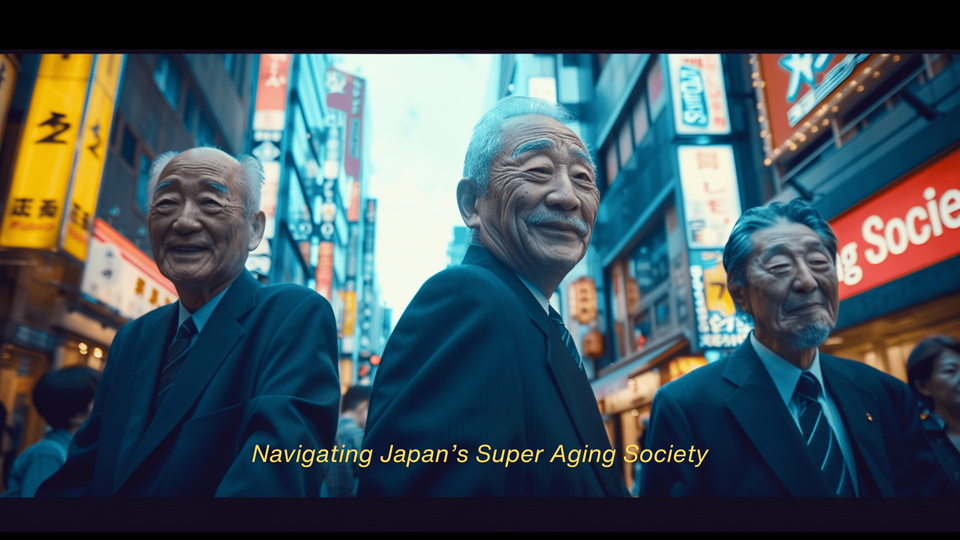
Japan holds the record for the world’s oldest population, with 29.1% of its residents aged 65 and above in 2023. This demographic trend reshapes every aspect of Japanese life, making it as unique challenges and emerging opportunities, particularly in the economy, healthcare, and labor market.
As the proportion of seniors increases, Japan faces a shrinking labor pool. This demographic shift could slow economic growth and increase the burden on healthcare and social security systems. However, it's not all doom and gloom. The aging population also drives the expansion of the 'silver economy', boosting industries that cater to the needs of older adults, from healthcare to leisure and technology.
To address these challenges, the Japanese government has been proactive:
- Robotics and AI: Development of technologies to support elderly care and compensate for workforce shortages.
- Silver Economy: Encouragement of businesses focusing on products and services for seniors.
- Digital Transformation: Promotion of technology use in everyday life to improve efficiency and accessibility for all ages.
Despite the challenges, there are significant advantages to having a mature workforce:
- Expertise and Knowledge: Older workers bring invaluable experience and skills.
- Loyalty and Commitment: Mature employees tend to display higher levels of fidelity to their employers.
- Diversity of Skills: A multigenerational workforce fosters a broad spectrum of ideas and perspectives.
Businesses in Japan are adapting to this shift with innovative strategies to thrive in a changing labor market:
- Promote Diversity and Inclusion: Encourage collaboration across generations and celebrate diverse viewpoints.
- Invest in Ongoing Training: Provide opportunities for all employees to learn new skills, ensuring they remain competitive in the fast-changing era.
- Offer Flexible Work Options: Introduce remote work, flexible scheduling, and job-sharing to accommodate the needs of employees, especially those caring for elderly relatives.
- Enhance Benefits: Tailor benefits packages to attract and retain mature workers, with improvements in healthcare, retirement planning, and wellness programs.
Japan’s super-aging society poses a complex set of challenges and opportunities. By embracing a strategic approach to workforce management and technological innovation, Japan can address the needs of its aging population and harness the potential of this demographic shift to foster a more inclusive, knowledgeable, and skilled society.